Overview
Amazon Glow was a first-of-its-kind “phygital” communication device—physical and digital at once—built to turn video calls into something children actually do rather than sit through. It came out of longitudinal research: kids with consistent, high-quality interaction with caring adults have better life outcomes. Our mission was the “joint attention” problem. A child and a remote grandparent shouldn’t just be looking at each other; they should be doing something together.
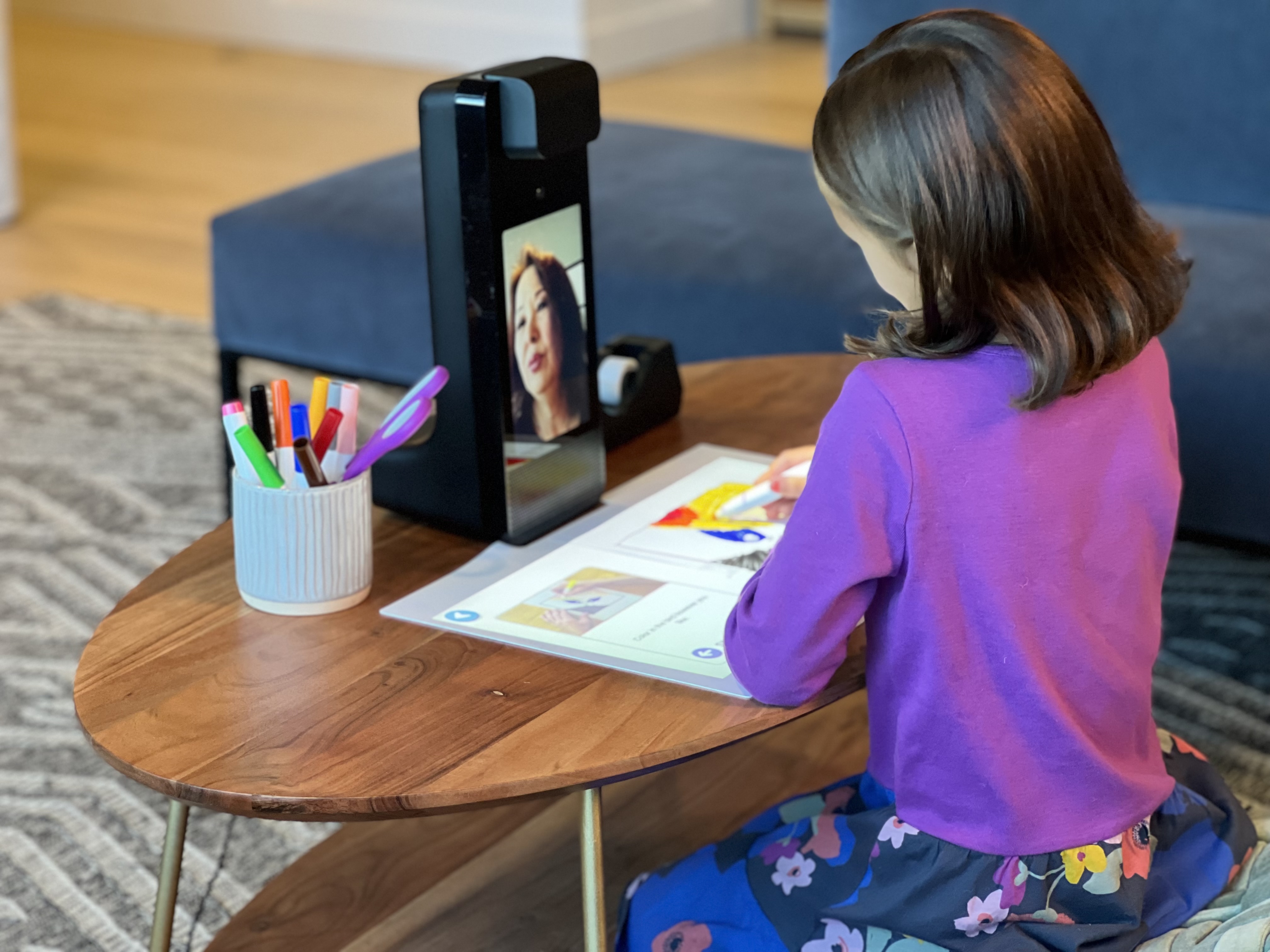
Fig 1.0 - The two planes at work: a face at near actual size on the upright screen, hands and markers on the mat below it.
What I owned
All core platform UI—onboarding, calling, and activity browsing—across both the child’s device and the remote caregiver’s app. I joined during early hardware concepting, when the form factor was still an open question, and worked alongside a cross-functional team of Principals to iterate on hardware and software prototypes together before delivering the final UI.
Dual-plane interaction
I designed an interaction model that mirrored sitting across the table from someone. A dedicated 8-inch screen holds the remote loved one’s face at near actual size. A 19-inch projected IR touch mat lets kids use their hands, their own toys, and physical “Glow Bits” to play—synchronized in real time with the adult’s tablet or phone.
Visual and auditory juice
A projected surface has no haptics, so animation and sound had to carry the whole sense of touch. I prioritized feedback that landed immediately and felt satisfying, so kids trusted the mat as much as they’d trust a physical toy.
Design tenets
I authored the tenets that anchored the experience. Every activity—coloring, cards, storybooks—followed the same paradigms, so a kid could jump from one to the next as fast as kids actually do.

A personal challenge
The Glow wasn’t born from the pandemic—but it grew up in one. I’d moved my family from Minneapolis to Seattle just before the world shut down. My son was three. Overnight, his grandma was 1,700 miles away with no way to just be with him.
He became one of our earliest beta testers, and played on the Glow with Yaya Jean nearly every day. It’s one thing to believe in a product. It’s another to watch your kid light up because Yaya Jean just moved his puzzle piece.
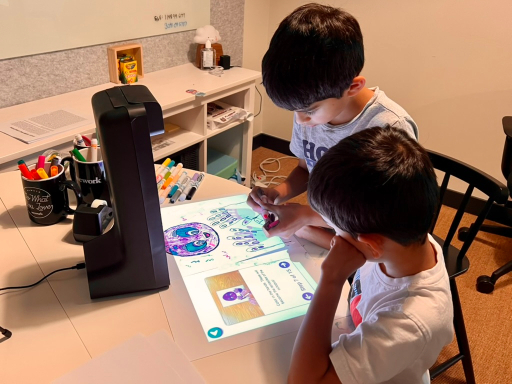
Fig 2.0 - Sessions with real families were the fastest way to know whether the mat felt like a toy or a screen.
“[It was] a dream come true... Amazon missed a huge opportunity by discontinuing.”
— Tilley, kinship carer and adoptive parent
“Does what Zoom and FaceTime can’t do—and it’s wonderful.”
— CNET
Despite a 4.7-star rating and deep user resonance, the Glow was discontinued in late 2022. The decision came down to unit economics—pioneering entirely new hardware is expensive, and the profitability horizon clashed with a shifting corporate focus toward healthcare and AWS. It remains a highlight of my career, not for the hardware’s lifespan but for the human impact: we proved technology could build a magical bridge between generations.